
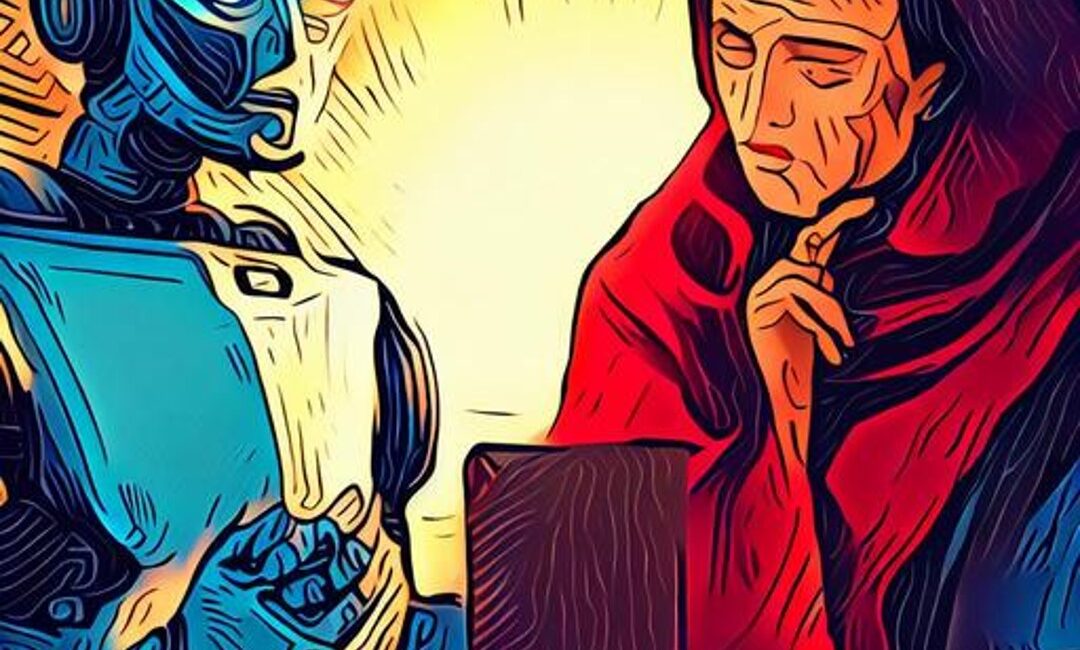
In the rapidly advancing realm of artificial intelligence (AI), ethical considerations are of paramount importance. As AI systems become more sophisticated and integrated into various aspects of our lives, questions arise regarding the moral implications and potential consequences of these technologies. In this blog post, we delve into the ethics of artificial intelligence, exploring the moral dilemmas and ethical challenges that arise as AI continues to evolve.
- The Rise of Artificial Intelligence: Artificial intelligence has made remarkable strides, enabling machines to perform complex tasks, analyze vast amounts of data, and make decisions previously reserved for human intelligence. From self-driving cars to virtual assistants, AI has the potential to revolutionize numerous industries. However, with great power comes great responsibility.
- Bias and Fairness: One pressing ethical concern in AI is bias. AI systems are trained using vast datasets, which can inadvertently perpetuate biases present in the data. This can lead to discriminatory outcomes, such as biased hiring practices or unequal access to resources. Examining and addressing biases in AI algorithms is crucial for ensuring fairness and inclusivity.
- Privacy and Data Security: As AI systems collect and analyze vast amounts of data, concerns about privacy and data security arise. Ethical questions emerge regarding the use, storage, and protection of personal data. Striking the right balance between the benefits of AI-driven insights and safeguarding individuals’ privacy rights is essential.
- Transparency and Explainability: Another ethical dilemma in AI lies in the lack of transparency and explainability of AI algorithms. As AI systems become more complex, it becomes challenging to understand how they arrive at their decisions. This opacity raises concerns about accountability, as individuals affected by AI decisions may have no recourse or means to contest them. Developing transparent and explainable AI systems is crucial for building trust and ensuring ethical use.
- Impact on Employment: The rise of AI has sparked concerns about its impact on employment and the workforce. As machines increasingly automate tasks, job displacement becomes a reality for many. Ensuring a just transition for workers and addressing the socioeconomic implications of AI adoption are critical ethical considerations.
- Autonomous Decision-Making: The emergence of autonomous AI systems capable of making decisions independently raises profound ethical questions. When AI systems have the power to make life-or-death decisions, such as in autonomous weapons or medical diagnoses, ensuring accountability and aligning AI decisions with ethical principles becomes imperative.
- Human-AI Collaboration: Ethics in AI also involve the collaboration between humans and machines. Striking a balance between human judgment and AI assistance is essential. Empowering individuals with the ability to understand, challenge, and override AI decisions when necessary maintains human agency and responsibility.
As artificial intelligence becomes increasingly integrated into our lives, understanding and addressing the ethical implications of AI is of utmost importance. By recognizing the moral dilemmas presented by AI bias, privacy concerns, transparency, employment impact, autonomous decision-making, and human-AI collaboration, we can navigate the evolving landscape of AI technology ethically and responsibly. It is through ongoing dialogue, research, and a commitment to prioritizing human values that we can shape AI systems that benefit society while upholding fundamental ethical principles.