
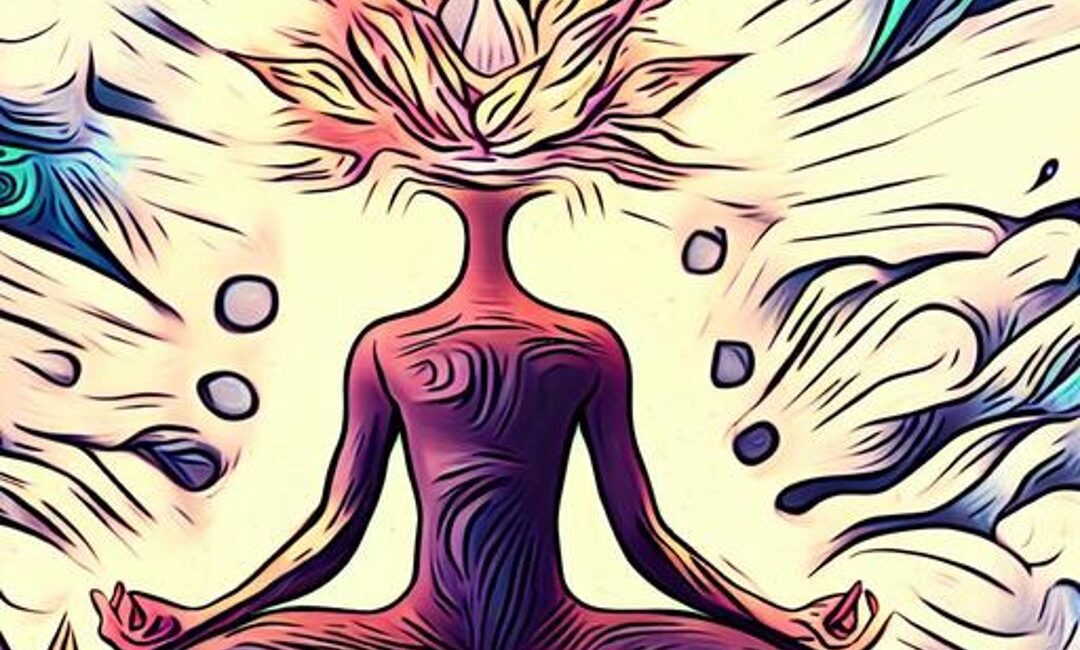
In our modern, fast-paced world filled with constant distractions and demands, the practice of mindfulness offers a refuge—a way to cultivate inner peace and nurture our mental well-being. Rooted in ancient contemplative traditions, mindfulness has gained popularity in recent years as a powerful tool for managing stress, enhancing self-awareness, and fostering a sense of balance. In this essay, we explore the art of mindfulness and its transformative effects on mental well-being in the midst of a hectic world.
- Understanding Mindfulness: Present-moment Awareness At its core, mindfulness is the practice of intentionally paying attention to the present moment with an attitude of openness and non-judgment. It involves observing one’s thoughts, emotions, and bodily sensations without getting caught up in them or reacting impulsively. By cultivating this present-moment awareness, individuals can develop a greater sense of clarity, acceptance, and overall well-being.
- Mindfulness and Stress Reduction: Finding Calm in the Chaos In a fast-paced world filled with incessant stimuli and pressures, mindfulness offers a respite from the constant busyness and mental clutter. By intentionally focusing attention on the present moment, individuals can detach from stressful thoughts and worries, allowing for a greater sense of calm and tranquility. Mindfulness practices, such as mindful breathing or body scans, enable individuals to cultivate a sense of grounding and relaxation, reducing the impact of stress on mental and physical health.
- Cultivating Self-awareness: Tapping into Inner Wisdom Mindfulness enhances self-awareness—a deep understanding of one’s thoughts, emotions, and behaviors. By observing the mind with curiosity and non-judgment, individuals gain insights into their habitual patterns, biases, and reactions. This self-awareness creates space for greater emotional intelligence and empowers individuals to make conscious choices, responding to life’s challenges with intention and wisdom.
- Emotional Regulation: Embracing Difficult Emotions Mindfulness invites individuals to meet their emotions with acceptance and compassion, rather than avoiding or suppressing them. By acknowledging and allowing difficult emotions to arise without judgment, individuals can develop a healthier relationship with their emotional landscape. Mindfulness practices provide a safe container to observe and navigate challenging emotions, fostering resilience and emotional well-being.
- Enhancing Relationships: Cultivating Presence and Empathy In a world where connections can be superficial and distracted, mindfulness supports the cultivation of deeper and more meaningful relationships. By practicing mindful listening and presence, individuals can truly engage with others, offering their full attention and empathy. Mindful communication fosters a sense of connection, understanding, and mutual respect, enriching both personal and professional relationships.
- Integrating Mindfulness into Daily Life: Small Steps, Profound Impact The art of mindfulness is not confined to formal meditation practice but extends to daily life. By infusing moments of mindfulness into routine activities such as eating, walking, or even washing dishes, individuals can experience a deeper sense of appreciation and engagement with the present moment. Mindfulness becomes a way of being—a lens through which to view the world and approach everyday experiences with renewed curiosity and gratitude.
In a fast-paced and demanding world, the art of mindfulness offers a path to mental well-being and inner peace. By cultivating present-moment awareness, individuals can reduce stress, enhance self-awareness, regulate emotions, and foster meaningful connections. As mindfulness becomes integrated into daily life, its transformative power unfolds, nurturing mental well-being amidst the hustle and bustle of the modern world. The art of mindfulness reminds us of the importance of slowing down, savoring the present moment, and tending to our mental and emotional landscapes with care and compassion.