
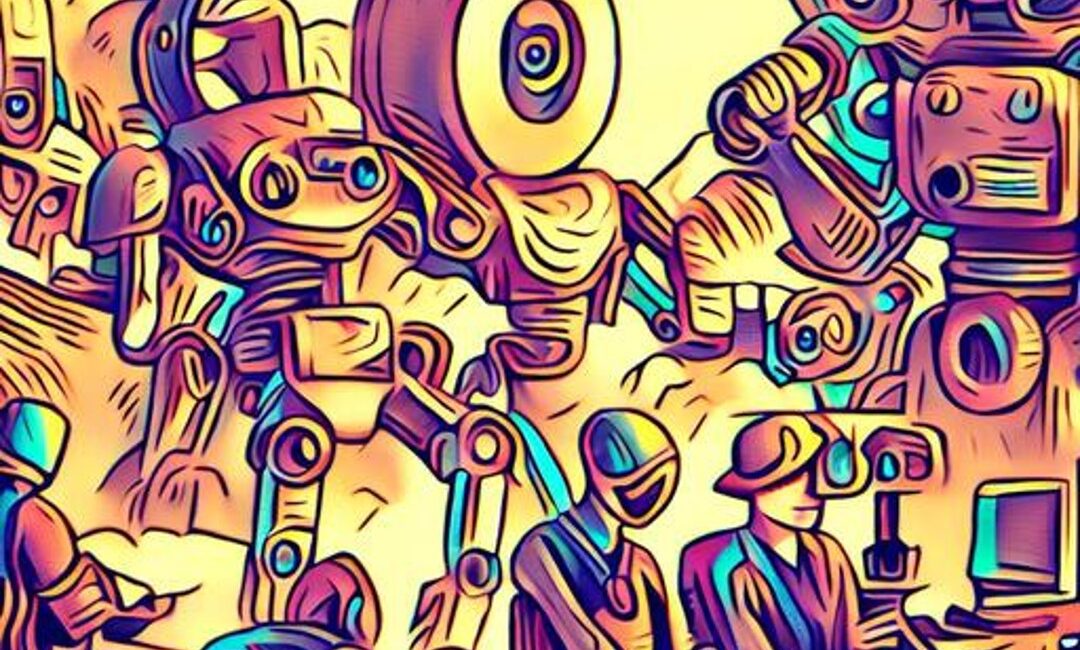
The world of work is undergoing a profound transformation, driven by rapid advancements in automation, artificial intelligence (AI), and technology. These innovations are reshaping industries, altering job requirements, and challenging traditional notions of employment. In this article, we explore the future of work, examining the impact of automation and AI on the job landscape, the evolving skill sets required, and the strategies individuals and organizations can adopt to thrive in this changing work environment.
- Automation and AI: Opportunities and Challenges Automation and AI technologies have the potential to enhance productivity, streamline processes, and create new opportunities across industries. However, they also raise concerns about job displacement and changes in the labor market. It is essential to understand the potential impact of automation and AI on different job sectors, from manual labor to knowledge-based professions, and to explore ways to adapt and upskill in response to these changes.
- The Rise of the Gig Economy and Flexible Work Arrangements The gig economy, characterized by short-term contracts, freelance work, and flexible arrangements, is gaining prominence. Technological platforms and digital marketplaces have made it easier for individuals to connect with job opportunities and offer services on-demand. This shift toward gig work presents both advantages, such as increased flexibility, and challenges, such as a lack of job security and benefits. Understanding the dynamics of the gig economy and developing strategies for success in this environment is crucial.
- Embracing Lifelong Learning and Skill Development To navigate the changing job landscape, individuals must embrace lifelong learning and continually develop new skills. With automation and AI handling routine and repetitive tasks, the demand for skills such as creativity, critical thinking, problem-solving, emotional intelligence, and adaptability is increasing. Upskilling and reskilling programs, both at the individual and organizational levels, are essential to equip workers with the abilities needed to thrive in the future of work.
- Human-Machine Collaboration and Augmented Intelligence Rather than perceiving automation and AI as threats, a more productive approach is to focus on human-machine collaboration and augmented intelligence. By leveraging technology to augment human capabilities, individuals can work alongside AI systems, allowing machines to handle routine tasks while humans focus on higher-level decision-making, creativity, and complex problem-solving. This collaborative approach can lead to increased efficiency, innovation, and job satisfaction.
- Promoting Digital Literacy and Technological Fluency In an increasingly digital and automated work environment, digital literacy and technological fluency have become essential competencies. Individuals must develop a solid understanding of digital tools, data analysis, cybersecurity, and emerging technologies. Building these skills empowers individuals to adapt to new technologies, effectively utilize digital platforms, and harness the power of technology in their work.
- Adapting Workplace Cultures and Policies Organizations must adapt their workplace cultures and policies to embrace the changing nature of work. Flexible work arrangements, remote work options, and work-life balance initiatives are becoming more critical than ever. Organizations that foster a culture of continuous learning, collaboration, and innovation create an environment conducive to attracting and retaining top talent in the evolving job market.
- Anticipating New Job Roles and Industries As automation and AI reshape industries, new job roles and industries will emerge. It is crucial to anticipate these shifts and proactively prepare for the opportunities they present. Identifying emerging fields, staying informed about industry trends, and developing interdisciplinary skills can position individuals for success in these emerging sectors.
The future of work is characterized by automation, AI, and evolving job requirements. While these changes bring challenges, they also create opportunities for growth and innovation. Adapting to the changing job landscape requires a proactive approach, embracing lifelong learning, developing new skills, fostering human-machine collaboration, and promoting digital literacy. By understanding the dynamics of the future of work and taking steps to prepare for its challenges, individuals and organizations can navigate this transformative period and thrive in the new world of work.